
People often believe their lives have nothing to do with mathematics and that there is no need to explore the depths of the subject, especially in English. But numbers surround us everywhere: telephone numbers, credit cards, flight numbers, and more.
Is studying mathematics really a serious and responsible undertaking? And if it has to be learned in English, is it mission impossible? Why is it necessary to understand English mathematical terminology? How can we motivate philologists to discover mathematics and mathematicians to learn a foreign language? And how are local education projects catching the bilingualism trend and turning it into an accessible tool for well-rounded development?
The material below will be useful to everyone: both enthusiastic mathematics fans and humanities students far from the world of exact sciences.

In a rapidly changing world, the requirements for a graduate profile are growing. A student must speak a foreign language at a high level, which increases competitiveness in education and the labor market. This raises the question: why not practice English while improving mathematics skills? All that is needed is the desire to try something new.
These tests assess mathematics knowledge. Studying in English helps students adapt to the requirements of international education.
In mathematics lessons, English becomes a tool for learning. Students see its practical application, which increases motivation.
It allows students to use vocabulary in real-life situations.
Content and Language Integrated Learning (CLIL):
CLIL (Content and Language Integrated Learning) is integrated subject-and-language learning. It is used to combine a foreign language with an academic discipline.
GIOS can help — it is a platform for interactive mathematics learning in English for students in grades 5–9.
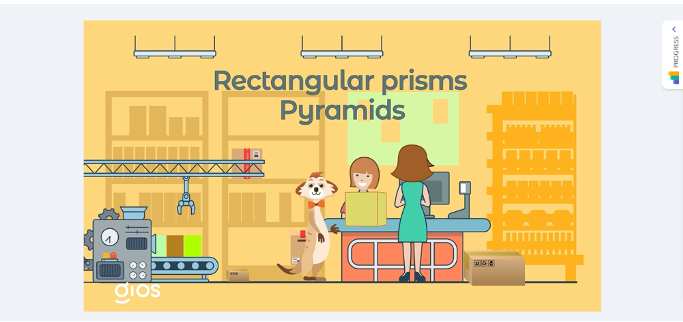
The platform makes it possible to watch lessons in English, solve interactive tasks, and study new topics.
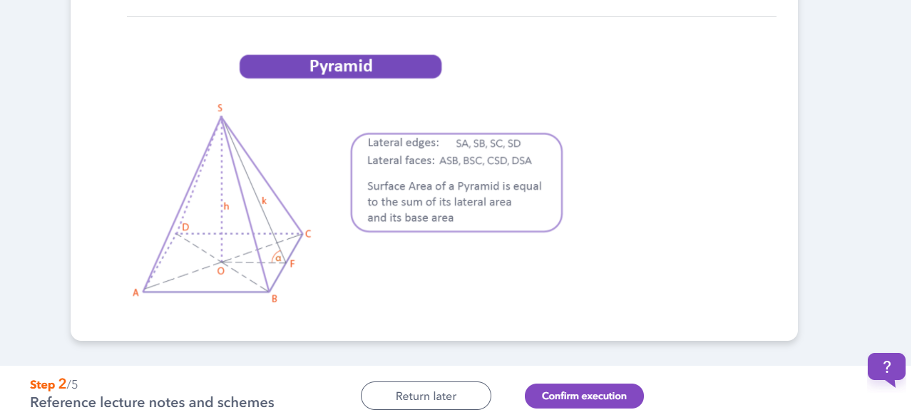
Conclusion: GIOS is a unique opportunity to integrate English into mathematics lessons. The platform makes this process easy, modern, and engaging.
Oksana Kovalenko, Oleksandra Buhaiova
Mathematics teachers, Specialized School No. 2, Chernihiv
The article was created in cooperation with the GIOS online platform.